
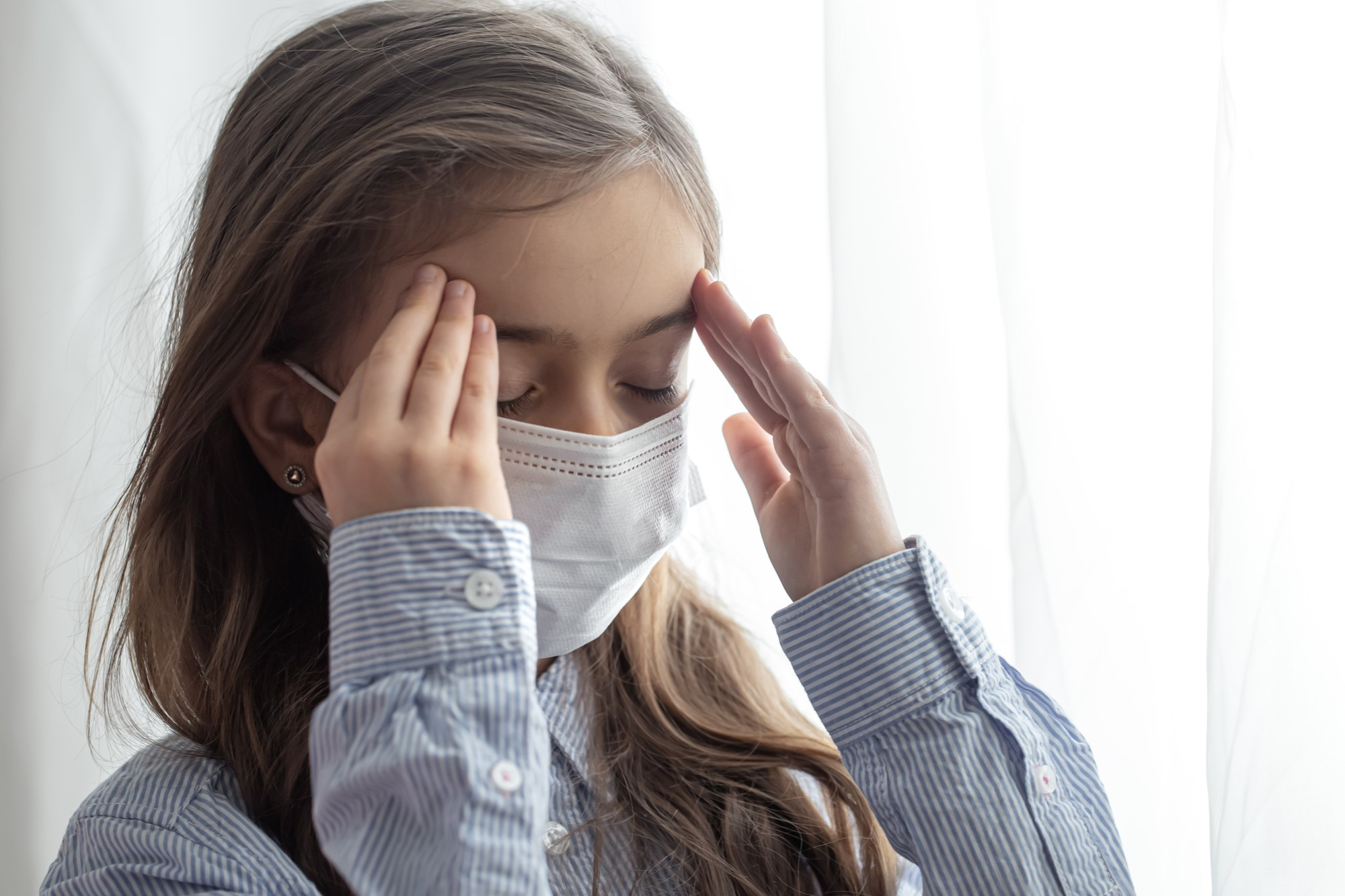
Children commonly develop infections because their immune systems are still developing and because close contact at school or daycare makes transmission easier. Most childhood infections are mild, but some need timely assessment.
Common infections
Viral respiratory infections, gastroenteritis, ear infections, conjunctivitis and some throat infections are common. Antibiotics are useful for certain bacterial infections, but they do not treat ordinary viral colds and flu.
Fever in children
Fever is a response to infection rather than a disease by itself. A child's age, appearance, hydration and breathing are important when deciding how urgent the situation is. Infants, especially very young babies, require a lower threshold for medical assessment.
Hydration and comfort
Offer fluids appropriate for the child's age and continue feeding when possible. Watch for urine output, tears, dry mouth and alertness. Use fever medicines only according to appropriate dosing advice.
Prevention
Vaccination, hand hygiene, good ventilation, staying home when significantly unwell and avoiding sharing utensils during illness can reduce spread.
When to seek medical help?
Emergency assessment is needed for breathing difficulty, blue lips, seizures, severe dehydration, unusual drowsiness, a non-blanching rash with fever, or a very young infant with fever.
Medical note: This article is for general health education and does not replace an examination, diagnosis or personalised medical advice. Treatment decisions should be made with a qualified healthcare professional.
You might also like

Jul 05, 2026
Role of ICU in Critical Care
Jul 01, 2026
How NICU Saves Lives
Jun 25, 2026