
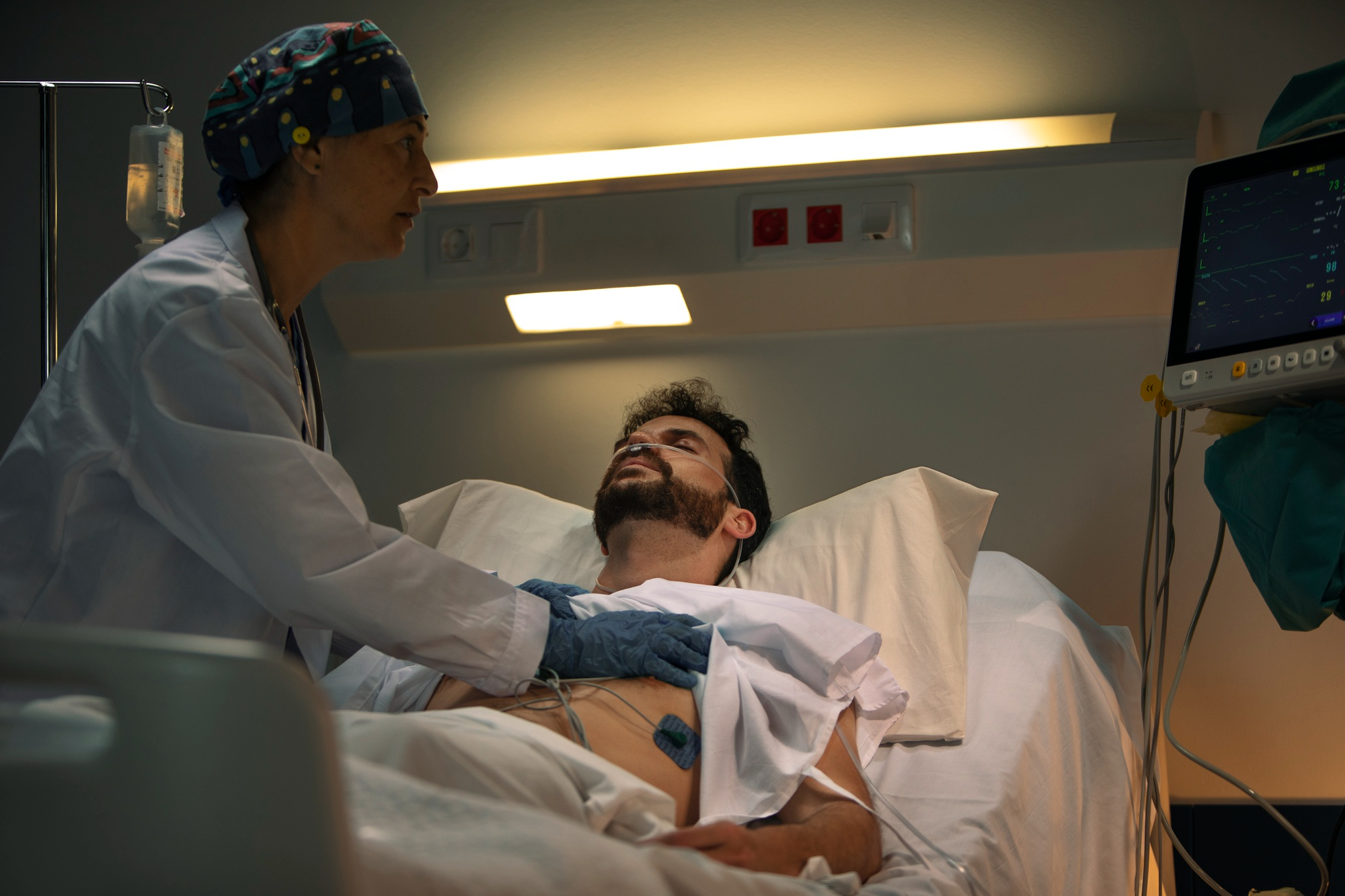
An intensive care unit (ICU) cares for people whose illness requires continuous monitoring, advanced treatment or support for one or more failing organs. ICU care is not limited to one disease; patients may be admitted after severe infection, major surgery, trauma, respiratory failure or other critical conditions.
What makes ICU care different?
ICU teams continuously monitor vital signs and can respond rapidly to changes. Depending on the patient's needs, treatment may include oxygen or mechanical ventilation, medicines to support blood pressure, kidney support, close fluid management or invasive monitoring.
Who works in the ICU?
Critical care involves doctors, nurses, respiratory therapists where available, physiotherapists, pharmacists and other professionals. Different specialists may be involved depending on the underlying disease.
What families can expect
ICU equipment can look alarming, but each monitor and line has a specific purpose. Ask the team which problems are being treated, what the major goals are today and what signs would indicate improvement or deterioration.
Recovery can continue after ICU
Some people need rehabilitation for weakness, breathing problems, nutrition or concentration after critical illness. Recovery is often gradual and may continue after discharge from the hospital.
When to seek medical help?
Any sudden severe breathing difficulty, chest pain, loss of consciousness, severe bleeding or rapidly worsening illness requires emergency medical care rather than waiting for a routine appointment.
Medical note: This article is for general health education and does not replace an examination, diagnosis or personalised medical advice. Treatment decisions should be made with a qualified healthcare professional.
You might also like
Jul 01, 2026
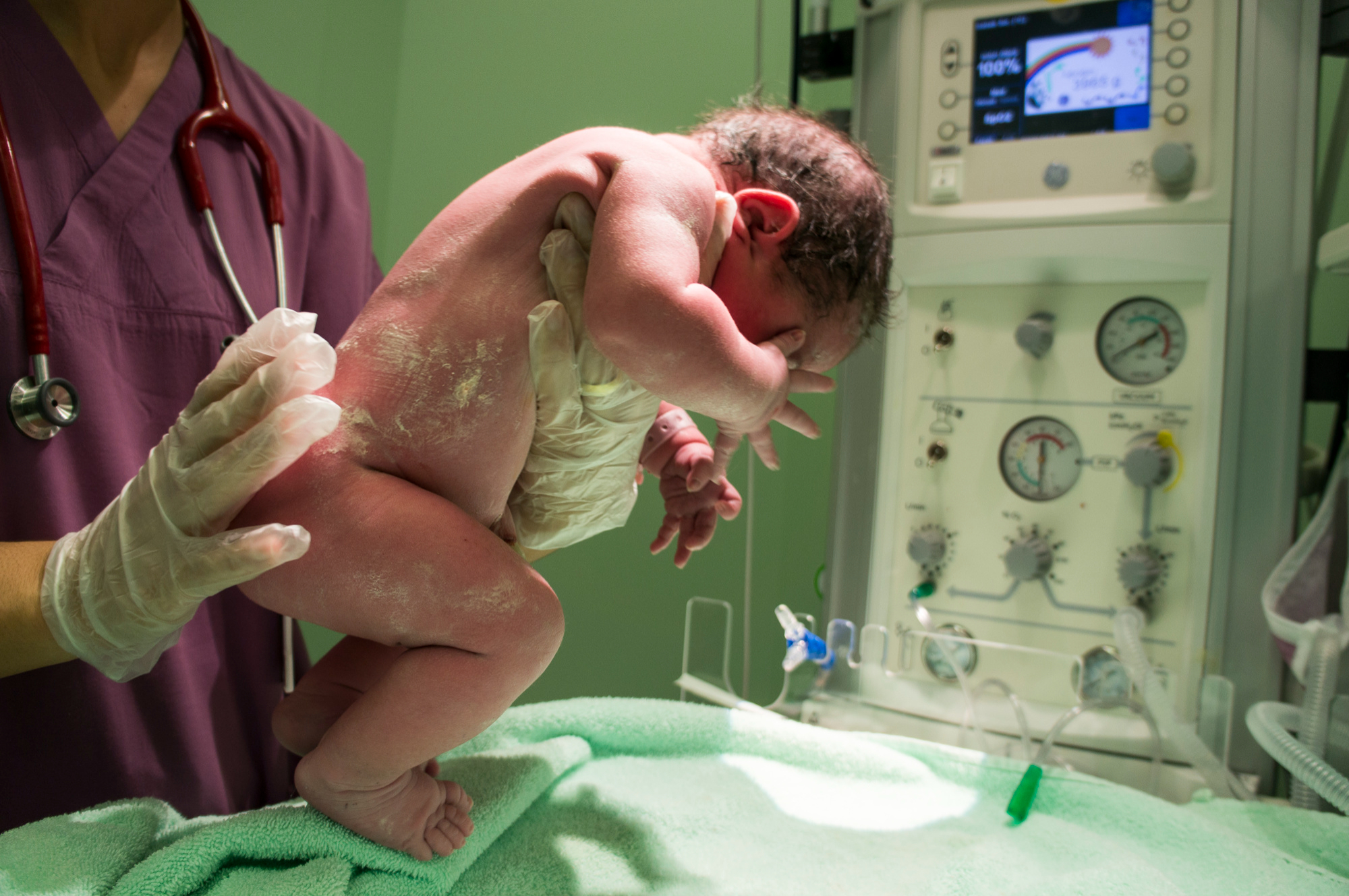
How NICU Saves Lives
Jun 25, 2026
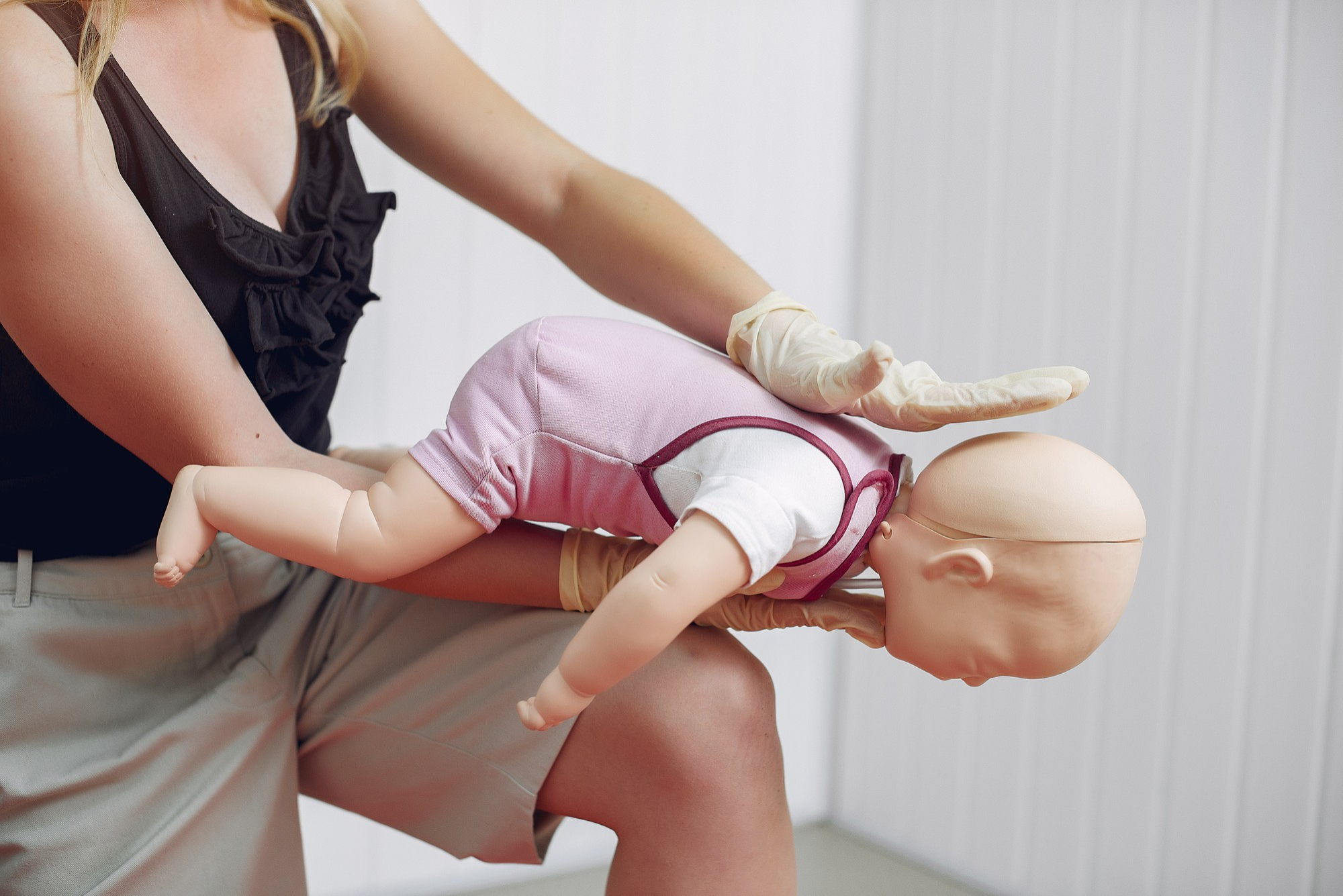
Pediatric Emergency Guide

Jun 20, 2026