
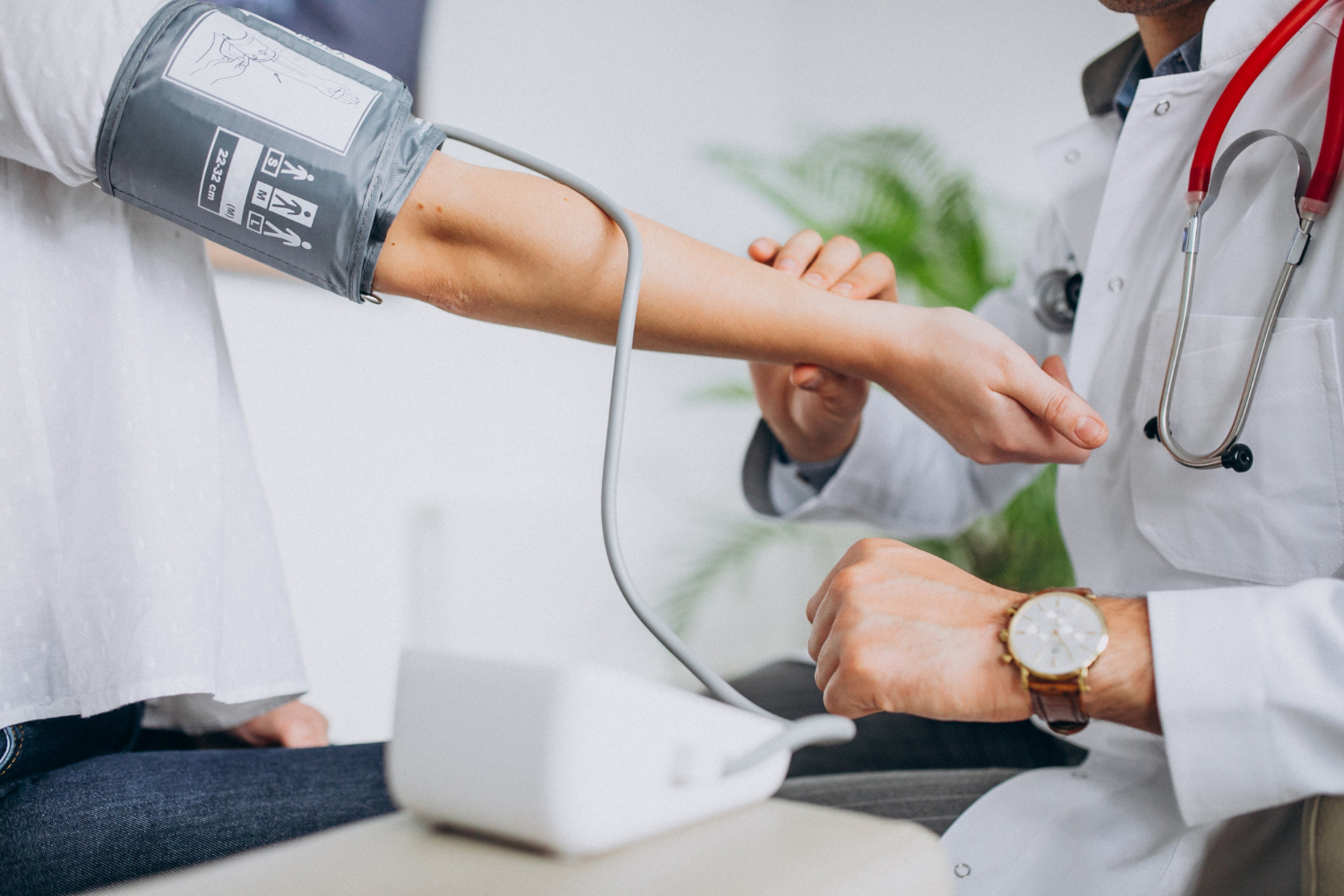
High blood pressure often causes no obvious symptoms, which is why it is sometimes called a silent condition. Long-term uncontrolled blood pressure can damage the heart, brain, kidneys and eyes, but effective treatment can substantially reduce risk.
Measure it correctly
Sit quietly for a few minutes, use a properly sized cuff and keep the arm supported. Avoid judging your blood pressure from a single reading when there is no emergency. Home monitoring can help identify patterns when performed correctly.
Lifestyle measures
Reducing excess salt, maintaining a healthy weight, exercising regularly, avoiding tobacco, moderating alcohol and managing sleep can support blood-pressure control. These measures complement medication when medication is required.
Medicines and follow-up
Some people need one medicine while others need a combination. Take prescribed medicines consistently and discuss side effects rather than stopping them suddenly. Regular kidney function and other tests may be recommended depending on the treatment.
Why control matters
Lowering blood pressure reduces the risk of stroke, heart disease and kidney damage. Because hypertension can be symptom-free, feeling well does not mean treatment is unnecessary.
When to seek medical help?
Extremely high blood pressure accompanied by chest pain, severe breathlessness, weakness or numbness on one side, confusion, seizures, severe headache or vision loss is an emergency.
Medical note: This article is for general health education and does not replace an examination, diagnosis or personalised medical advice. Treatment decisions should be made with a qualified healthcare professional.
You might also like
Jul 05, 2026
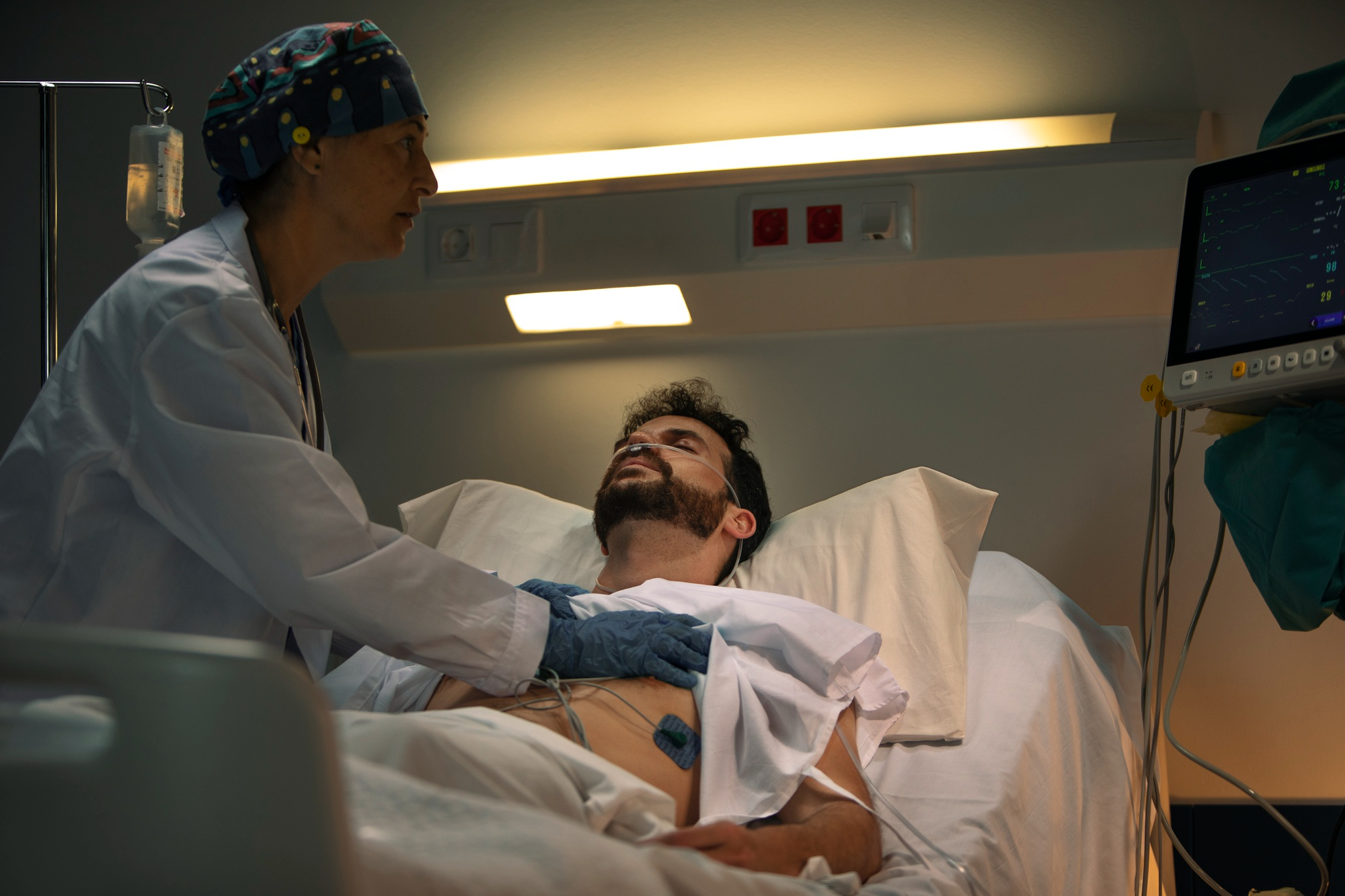
Role of ICU in Critical Care
Jul 01, 2026
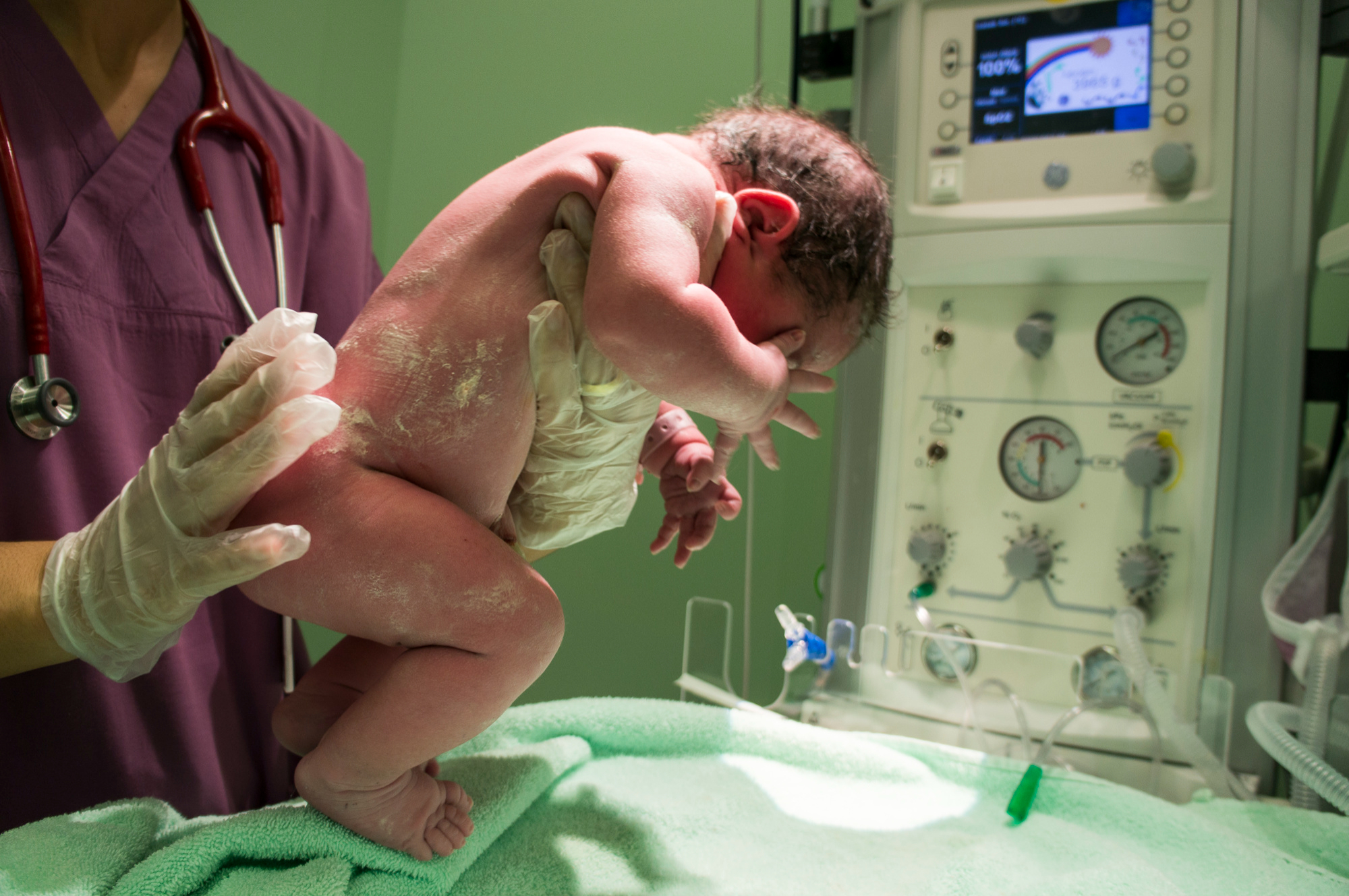
How NICU Saves Lives
Jun 25, 2026