
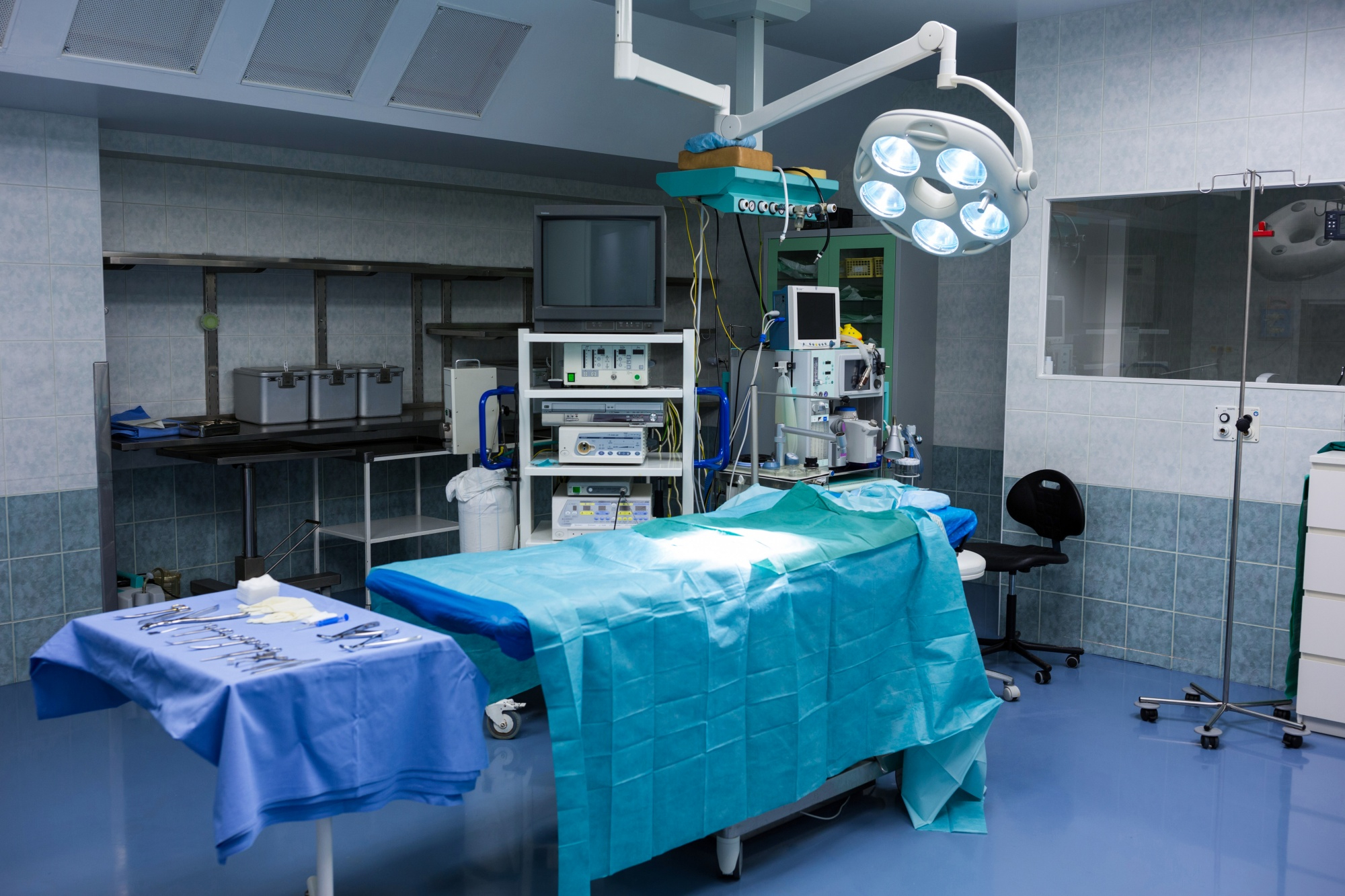
An operating theatre must be designed around patient safety, infection prevention, reliable equipment and coordinated teamwork. Standards are not just about a clean room; they cover how the entire surgical process is organised before, during and after an operation.
Before the operation
Patient identity, procedure, consent, allergies, medicines, relevant investigations and surgical site are checked. Anaesthesia assessment and appropriate preparation reduce preventable errors.
During surgery
The team uses sterile technique, appropriate surgical attire and infection-control procedures. Monitoring tracks vital signs throughout anaesthesia. Equipment checks and surgical counts help prevent avoidable complications.
Team communication
Surgery involves surgeons, anaesthesia professionals, nurses and support staff. Structured communication before incision and before leaving the theatre helps ensure that the team shares the same understanding of the procedure and patient.
After surgery
Safe transfer to recovery includes communication about the operation, anaesthesia, medicines, drains, wounds and any special precautions. Monitoring continues until the patient is ready for the next stage of care.
When to seek medical help?
Any patient after surgery who develops severe breathing difficulty, chest pain, heavy bleeding, severe allergic symptoms, loss of consciousness or rapidly worsening condition needs immediate medical attention.
Medical note: This article is for general health education and does not replace an examination, diagnosis or personalised medical advice. Treatment decisions should be made with a qualified healthcare professional.
You might also like
Jul 05, 2026
Role of ICU in Critical Care
Jul 01, 2026
How NICU Saves Lives
Jun 25, 2026