
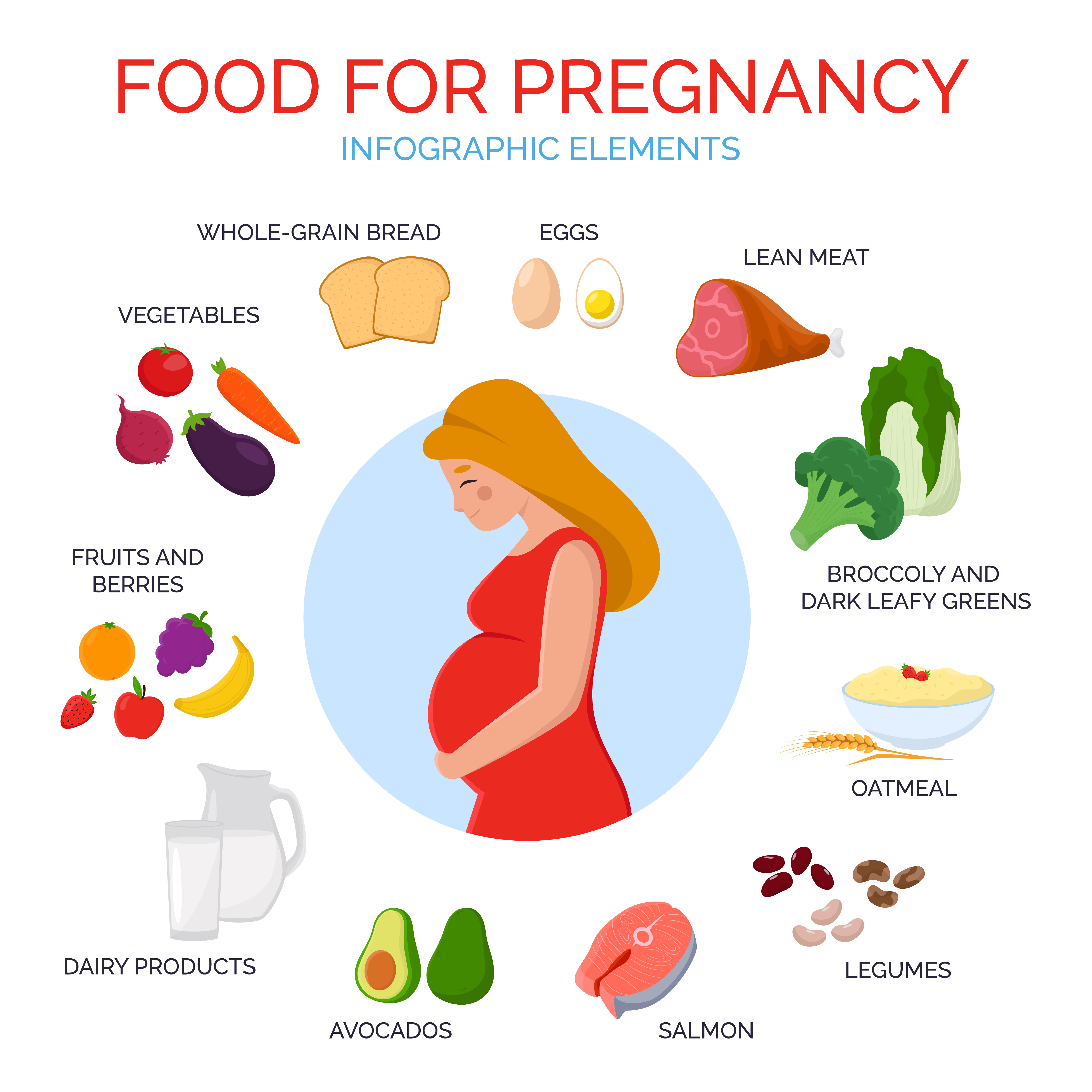
Pregnancy nutrition is about meeting changing nutritional needs while keeping meals practical and familiar. There is no single perfect diet for every pregnant woman. Appetite, nausea, blood sugar, anaemia, food preferences and medical conditions all influence the best plan.
Months 1–3: build the foundation
Early pregnancy can bring nausea, vomiting and food aversions. Small, frequent meals may be easier than large meals. Choose nutrient-dense foods such as dal, beans, curd, eggs when suitable, vegetables, fruit, whole grains, nuts and seeds. Folic acid supplementation is especially important early in pregnancy.
Months 4–6: focus on steady nourishment
As appetite often improves, meals can include a combination of protein, complex carbohydrates, vegetables and healthy fats. Iron-rich foods such as pulses, green leafy vegetables, meat or other suitable sources can support haemoglobin, while vitamin C-rich foods can improve iron absorption from plant sources. Continue supplements prescribed by your maternity team.
Months 7–9: support growth and comfort
Later pregnancy increases the need for balanced nutrition rather than simply eating much larger portions. Include protein at regular meals, adequate fluids and fibre to help with constipation. If heartburn develops, smaller meals and avoiding lying down immediately after eating may help.
Foods and food safety
Avoid unpasteurised dairy products and foods that may carry a high infection risk. Wash produce carefully and cook eggs, meat and seafood thoroughly. Limit foods and drinks high in added sugar. Caffeine intake should remain within pregnancy recommendations. Women with diabetes, anaemia, high blood pressure or other conditions may need a customised diet.
When to seek medical help?
Persistent vomiting with inability to keep fluids down, signs of dehydration, severe abdominal pain, heavy bleeding, severe headache with visual symptoms, or markedly reduced fetal movements require prompt medical assessment.
Medical note: This article is for general health education and does not replace an examination, diagnosis or personalised medical advice. Treatment decisions should be made with a qualified healthcare professional.
You might also like

Jul 05, 2026
Role of ICU in Critical Care
Jul 01, 2026
How NICU Saves Lives

Jun 25, 2026